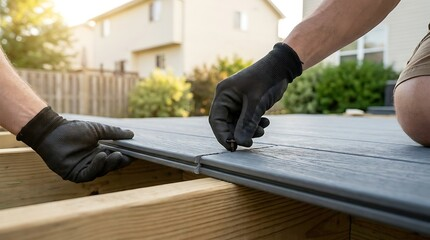
There is something special about stepping onto a beautiful outdoor deck. It creates a comfortable space for relaxing, entertaining guests, enjoying family gatherings, or simply spending time outdoors. A well-designed deck can extend your living area and increase the overall appeal of your home. However, when it comes time to build a deck, homeowners often face an important question: should they hire professional deck builders or take the do-it-yourself route?
At first glance, DIY deck construction may seem like an attractive option because of the potential cost savings. On the other hand, professional deck builders bring experience, efficiency, and specialized knowledge that can make the project smoother and more successful. Understanding the advantages and challenges of each approach can help homeowners make an informed decision based on their budget, skills, and long-term goals. Contact your local Deck Builders Lexington KY to learn more.
Understanding the Scope of a Deck Construction Project
Many homeowners underestimate the complexity involved in building a deck. While a simple platform deck may appear straightforward, the construction process involves much more than assembling boards and securing fasteners.
A deck must be properly designed to support weight, withstand weather conditions, and remain safe for years of use. Construction often requires site preparation, foundation work, framing, structural calculations, railing installation, stair construction, and finishing details.
Even small mistakes during the planning or construction stages can affect the deck’s stability, appearance, and lifespan. This is why understanding the full scope of the project is an essential first step before deciding whether to hire professionals or attempt the work independently.
The size, design complexity, and intended use of the deck will often influence which option is most appropriate.
The Benefits of Hiring Professional Deck Builders
Professional deck builders offer valuable expertise that comes from experience and specialized training. They understand the technical aspects of deck construction and can efficiently manage projects from start to finish.
One of the primary advantages of hiring professionals is quality workmanship. Experienced builders know how to construct decks that are both visually appealing and structurally sound. Their familiarity with proper building techniques helps reduce the likelihood of costly errors.
Professional builders can also provide guidance during the design process. They often help homeowners select materials, determine suitable layouts, and identify design features that maximize functionality and aesthetics.
Another significant benefit is time savings. Construction projects can require substantial effort and coordination. Professionals typically complete projects more efficiently because they have the necessary tools, equipment, and experience.
Hiring qualified builders often provides greater peace of mind, especially for homeowners who want confidence that the project will be completed correctly and safely.
The Advantages of DIY Deck Construction
For homeowners who enjoy hands-on projects, DIY deck construction can be a rewarding experience. Building a deck independently allows individuals to take direct control over every aspect of the project.
One of the most commonly cited benefits is potential cost savings. By performing the labor themselves, homeowners may reduce overall project expenses. For those working within a limited budget, this can be an appealing factor.
DIY construction also offers flexibility. Homeowners can work at their own pace and make adjustments as the project progresses. Some individuals enjoy the sense of accomplishment that comes from creating a functional outdoor space with their own efforts.
In addition, building a deck can provide valuable learning opportunities. Homeowners may gain new construction skills and a deeper understanding of home improvement projects.
For individuals with prior construction experience and access to appropriate tools, DIY deck building may be a practical option for certain projects.
Comparing Costs Between Professional and DIY Projects
Cost is often one of the biggest considerations when choosing between professional deck builders and DIY construction. While it may seem obvious that DIY projects are less expensive, the reality can be more complex.
Professional deck construction includes labor costs, which can represent a significant portion of the overall project budget. However, these costs also reflect expertise, project management, efficiency, and quality assurance.
DIY projects eliminate labor expenses but introduce other financial considerations. Homeowners may need to purchase or rent specialized tools and equipment. Mistakes can also result in material waste and additional expenses.
Unexpected challenges can further increase costs. Incorrect measurements, structural issues, or improper installation may require repairs that reduce or eliminate anticipated savings.
When evaluating costs, homeowners should consider both the immediate financial investment and the long-term value provided by a properly constructed deck.
Time Commitment and Project Management
Building a deck requires a substantial investment of time. Homeowners considering a DIY approach should realistically assess their availability before beginning the project.
Professional builders often complete decks within a relatively predictable timeframe because they have dedicated crews and established construction processes. Their experience allows them to anticipate and address challenges efficiently.
DIY projects frequently take longer, especially for individuals balancing construction work with family responsibilities, careers, and other commitments. Weather delays, learning curves, and unforeseen complications can extend the timeline significantly.
Project management is another important factor. Coordinating materials, scheduling deliveries, organizing work phases, and solving problems all require attention and planning.
For homeowners who value convenience and efficiency, professional builders often provide a more streamlined experience.
Safety Considerations During Deck Construction
Safety should never be overlooked when building a deck. Construction sites involve numerous risks, including power tools, heavy materials, elevated work surfaces, and structural components.
Professional builders are generally familiar with safe construction practices and understand how to minimize workplace hazards. Their experience helps reduce the risk of accidents during the building process.
DIY builders may face greater challenges if they lack experience with construction safety procedures. Improper use of tools or incorrect installation techniques can result in injuries or structural concerns.
A deck that is not constructed properly may also present long-term safety risks after completion. Structural weaknesses, unstable railings, or inadequate support systems can create hazards for family members and guests.
Prioritizing safety throughout the project is essential regardless of which construction method is chosen.
Quality and Long-Term Durability
The quality of construction directly affects a deck’s appearance, performance, and lifespan. A well-built deck can provide decades of enjoyment when properly maintained.
Professional deck builders often deliver a higher level of consistency because they understand best practices for framing, fastening, drainage, and finishing. Their attention to detail can improve both durability and aesthetics.
DIY results can vary widely depending on the homeowner’s skill level and experience. While some individuals achieve excellent outcomes, others may encounter challenges that affect the final product.
Long-term durability is particularly important because decks are constantly exposed to changing weather conditions. Proper construction techniques help prevent issues such as warping, sagging, moisture damage, and structural deterioration.
Investing in quality workmanship can reduce maintenance requirements and extend the life of the deck.
Design Possibilities and Custom Features
Decks have evolved beyond simple outdoor platforms. Modern designs often include multiple levels, built-in seating, decorative railings, lighting systems, outdoor kitchens, and entertainment areas.
Professional builders can help homeowners explore a wide range of design possibilities while ensuring that custom features are integrated safely and effectively. Their experience often allows them to recommend solutions that enhance both functionality and visual appeal.
DIY builders may have more limitations when attempting complex designs. Advanced features often require specialized skills and a deeper understanding of structural requirements.
For homeowners seeking unique or highly customized outdoor spaces, professional expertise can be especially valuable. The ability to combine creativity with technical knowledge often leads to more successful outcomes.
How to Decide Which Option Is Right for You
Choosing between professional deck builders and DIY construction depends on several factors. Homeowners should carefully evaluate their skill level, available time, budget, and comfort with construction projects.
Individuals with previous building experience may feel confident handling a straightforward deck project independently. Those who enjoy home improvement work and have access to the necessary tools may find DIY construction both practical and rewarding.
However, larger or more complex decks often benefit from professional involvement. Experienced builders can manage structural requirements, streamline construction, and help ensure long-term durability.
The decision ultimately comes down to balancing personal capabilities with project demands. Understanding the advantages and limitations of each approach helps homeowners make the choice that best aligns with their goals.
Final Thoughts
The debate between hiring professional deck builders and pursuing DIY deck construction has no universal answer. Both options offer unique benefits, and the right choice depends on the homeowner’s experience, budget, schedule, and expectations.
DIY construction can provide cost savings, flexibility, and personal satisfaction for individuals who possess the necessary skills and commitment. Professional deck builders, meanwhile, offer expertise, efficiency, quality workmanship, and peace of mind throughout the construction process.
By carefully evaluating the scope of the project and considering both short-term and long-term factors, homeowners can make an informed decision that leads to a safe, attractive, and durable outdoor living space. Whether built by skilled professionals or dedicated homeowners, a thoughtfully constructed deck can provide years of enjoyment and enhance the overall value of a property.