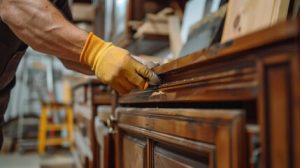
Time often leaves its trace in the most unexpected places. Negozio Antiquariato Brescia is one such sanctuary where the echoes of centuries linger. It is more than a business or a collection of old things. It is a living museum that thrives on memory, craftsmanship, and stories that refuse to be forgotten.

At first glance, the charm of an antique shop seems simple. Shelves are lined with objects worn by years of use and love. But behind each item is a narrative that stretches beyond its physical form. A chipped vase might carry the legacy of countless family gatherings. A faded portrait might hide the mystery of a life lived long ago.
Collectors and casual visitors alike are drawn by this magnetic pull of history. There is an irresistible sense of discovery as one explores aisles filled with artifacts from another era. Each corner holds the promise of a forgotten tale waiting to be uncovered. It is a treasure hunt for the imagination as much as for the eyes.
The beauty of antique shops lies in their diversity. No two are ever the same because each collection reflects the taste and journey of its curator. Some specialize in ornate furniture that once adorned grand halls. Others focus on delicate trinkets that were once everyday objects in humble homes. Together, they weave a tapestry of human experience.
For many, the appeal of antiques is deeply emotional. Holding an object crafted centuries ago creates a bridge to the past. It is a tangible link to people who lived, dreamed, and built the world we now inhabit. This connection turns ordinary objects into priceless keepsakes. They become vessels carrying memory across generations.
The sustainability aspect of antique shopping is another reason for its growing popularity. In a world obsessed with mass production, antiques offer a conscious alternative. Choosing to buy and preserve them reduces waste and celebrates longevity. It is a quiet rebellion against disposable culture.
Yet the significance of antique shops extends beyond nostalgia and sustainability. They are also vital educational spaces. Students of art, history, and design often frequent them to learn from the craftsmanship of the past. Each carved table leg, each embroidered fabric, tells a lesson in technique and creativity. These artifacts become primary sources in the study of human ingenuity.
The craftsmanship itself is often awe-inspiring. Before industrialization, most objects were handmade with meticulous care. The artistry in an antique chest or a hand-painted porcelain dish reflects skills passed down through generations. Owning such a piece is not just about possession but about honoring that lineage of skill and dedication.
The experience of visiting an antique shop is almost ritualistic. It demands patience, curiosity, and an openness to wonder. Time seems to slow down as one browses, reading the subtle clues that hint at an object’s story. Even if nothing is purchased, the act of exploration is deeply satisfying.
Antique dealers, too, play a crucial role in this ecosystem. They are not mere sellers but guardians of cultural memory. Their expertise helps authenticate, preserve, and interpret the artifacts they sell. Many take great care in restoring pieces, ensuring they can be cherished for decades more. Without their passion, much of this heritage would be lost.
There is also an economic layer to the antique trade that often goes unnoticed. Many small businesses thrive by dealing in antiques, supporting artisans and restorers in the process. Auctions and private sales can transform rare items into valuable investments. For some, collecting antiques is not just a passion but a strategic financial endeavor.
In the digital age, antique shops have also evolved. Many now extend their presence online, connecting collectors from across the globe. Virtual tours and digital catalogs allow people to browse treasures without leaving home. This blending of tradition and technology ensures that the love for antiques remains relevant in modern times.
Still, the tactile experience of being in an antique shop remains unmatched. The smell of aged wood, the texture of worn fabric, the gleam of patinated metal—all these sensory details are part of the charm. They remind us that history is not just something to read about but something we can touch and feel.
The stories behind certain objects can be astonishing. A simple pocket watch might have belonged to a soldier who carried it through war. A worn-out cookbook might hold the secrets of a family’s culinary traditions. These narratives give depth and meaning to the objects and enrich our understanding of the past.
Antique shops also foster a sense of community among enthusiasts. Collectors often share tips, stories, and discoveries with one another. Friendships are formed over shared interests, and knowledge is passed along informally. This community aspect adds another dimension to the experience beyond mere buying and selling.
Interestingly, antique shopping can be a deeply personal journey. Many people seek pieces that resonate with their own histories or aspirations. An heirloom similar to one owned by a grandparent might become a cherished reminder of family roots. In this way, antiques become part of one’s own evolving story.
The concept of “value” in the world of antiques is complex. Monetary worth is only one measure, and often not the most important. Sentimental value, historical significance, and artistic merit can all outweigh price tags. Collectors know that the worth of an object lies as much in its story as in its scarcity.
Preservation is a crucial part of antique culture. Proper care ensures that these objects continue to exist for future generations. Techniques such as controlled storage, careful cleaning, and expert restoration are often employed. These practices honor the original craftsmanship while extending the object’s lifespan.
The rise of minimalism and decluttering trends has paradoxically increased interest in antiques. People now seek fewer but more meaningful possessions. A single antique piece can serve as a striking focal point in a modern home. Its uniqueness sets it apart from mass-produced decor and adds depth to contemporary spaces.
For interior designers, antiques offer endless creative possibilities. Mixing old and new styles can result in stunning visual contrasts. A rustic wooden table paired with sleek modern chairs creates a narrative of continuity and change. This blending of eras reflects the evolving nature of culture itself.
The ethical dimension of antique collecting is also worth considering. Provenance matters, as objects with dubious origins can carry complicated histories. Responsible dealers prioritize transparency, ensuring that items are sourced legally and respectfully. Buyers, too, are increasingly aware of these issues and make choices accordingly.
Antique shops remind us that progress does not mean forgetting. They show how the past continues to shape the present in subtle but profound ways. Through them, we see the enduring relevance of craftsmanship, creativity, and human connection. They teach us that time’s passage need not erase but can instead enrich.
In a fast-paced, disposable world, antique shops stand as sanctuaries of slowness and meaning. They encourage us to pause and appreciate the beauty of imperfection and age. They invite us to listen to the stories that objects tell if only we are patient enough to hear. They remind us that our present is built on countless pasts.
The allure of the antique shop lies in this delicate balance between nostalgia and relevance. It is a space where history is not confined to books but lives and breathes in tangible forms. It is where the ordinary becomes extraordinary through the lens of time. And it is where we, as seekers of meaning, find pieces of ourselves in the artifacts of others.
Ultimately, the charm of antiques is not about owning the past but about conversing with it. Each item invites us into a dialogue across time, a shared human story told in wood, metal, and fabric. In preserving and cherishing these artifacts, we honor not just what once was but also what continues to be. And in doing so, we ensure that the whispers of the past never fade into silence.
Visit our Professional Services Blogs
Smart Choice Plumbing And Air, Sanitize My Airducts, Bethesda Locksmith, Golden Coast Cleaners, Advanced Concrete Staining, Home Pool Cleaners, Brayhines Septic, Shaka Pool And Spa Cleaning,Mr Clean And Shine, Best Appliance Repair Long Beach, Gulf to Bay Water Remediation, Garage Door San Francisco, Richmond Flooring, Fence Builders Woodlands, Colorado Springs Auto, Fuel Frontlines, Expert 24 Option, Sacramento Roseville Real Estate, SLO Homes, Philadelphia Towing, State Powerwashing, Truck Tires Worldwide, Website Translation, Construction Company Farmington NM, Green Home Los Angeles, Trinity SEO Marketing, Electric Fireplaces, Argos Bookkeeping, Christopherson Drywall,Garage Door Installation, Missouri Personal Injury Lawyer Blog, Alvins Auto Body, Carpet Care Pros, Las Vegas Concrete, Clark Concrete Company, Deck Builders Missour City, Lechleitner Builders, Medical Health Insurance Policy, Royal Siding Windows, Carpet Steam Cleaners Review, Go Greeen Lawn Painting, Oakwood Skate Deck, Texas Home Remodeling And Painting, USA Home Repair Remodeling, Dream Home Remodeling Services, Brent Lawn Homes, Great Ernm Homes, Accelerated Orthodontic, Arctic Cooling And Heating, Baltimore Heating And Airconditioning