
Cabinet Refinishing

Best Color Combinations for Refinished Kitchen Cabinets

San Jose Cabinet Refinishing

Whether you want to create an elegant or casual kitchen, the right color scheme can make all the difference. Browse these cabinet refacing color trends to find a look that suits your personality.

For a bright and energetic kitchen, try leaf green with crisp white cabinets. In this kitchen from homeowner Nancy Traversy, green perimeter cabinets frame a sunny yellow island. Contact San Jose Cabinet Refinishing for more details.

1. Cool Gray with Hot Orange

A fresh paint job transforms a kitchen, giving it a brighter feel and breathing new life into a room that’s often the heart of your home. It’s also a great opportunity to introduce a fun color combination that feels current and on-trend.

One of our favorite combinations combines warm oranges with cool grays, like the soft ‘Soft Sunset’ palette from Benjamin Moore. The vibrant oranges capture attention and convey energy, while the subtle grays provide a sophisticated backdrop that’s engaging yet refined. This versatile palette is ideal for artisan product branding, as it evokes feelings of innovation and creativity while remaining professional and elegant.

Pairing bright red with neutral shades creates a bold and balanced look in a kitchen. Blogger Aniko from Place of My Taste painted Shaker-style cabinets with white uppers and dark navy blue lowers to create an updated classic look. The contrasting colors add depth to the space, making it feel more modern and inviting.

Green is another classic choice for cabinetry, and it pairs beautifully with a variety of other colors. For a cheerful kitchen, consider a sunny yellow shade with crisp cornflower blue walls, like in this traditional space from DeVOL Kitchens. The soft colors emphasize the clean lines of the cabinetry and accentuate the multicolor accent tiles in the backsplash.

For a more understated effect, opt for a dark blue-green shade. This relaxing hue works well with natural wood floors and wood-paneled ceilings, while it complements many types of wall color and coordinating appliances. Urbanology Designs opted for dark blue-green cabinetry and a natural wood open shelving system to create a relaxed family kitchen. The rich shade stands out against the light stone countertops and wood flooring, but doesn’t overwhelm the space.

2. Flame Red with Soft Yellow

Color trends come and go, but classic shades can stand the test of time. If you’re looking for a bold hue to refinish your kitchen cabinets, consider pairing bright red with soft yellow. This combination provides a dynamic contrast that creates an energetic kitchen. When choosing a shade of yellow, be sure to select one with warm undertones that will complement the red rather than cool undertones.

For a more classic option, try painting your cabinetry in a rich shade of brown. This versatile color can work well in a variety of styles, from traditional to modern farmhouse and coastal. To make the most of this color, refinish your cabinet doors in a glossy finish that will protect them from everyday use and spills.

If you’re looking for a timeless look, opt for light neutral colors that offer a fresh and clean aesthetic. White and creamy neutrals are the most popular cabinet colors, but pale grays also look modern and sophisticated. Neutrals like beige, taupe, and gray are also versatile and coordinate with any style of kitchen.

Another timeless choice is a soothing shade of blue-green. Designers at Home Made by Carmona used a muted shade of blue-green to delineate blocks of upper and lower cabinetry in this large kitchen, highlighting earth-toned backsplashes and wood slat range hoods for a cohesive feel.

If you’re hesitant to commit to an all-over shade, try painting just the front of your cabinets in a bright color. This is a great way to add pops of color that you can change up down the road without the expense and hassle of replacing your entire set of cabinets. Peach and coral are fun options that pair beautifully with white or wood finishes.

3. Charcoal Grey with Dove Grey

Your kitchen is more than just a functional space; it’s the heart of your home. The right color scheme can make your cabinets the standout feature that elevates your overall design and gives the room a warm, welcoming feel. Whether you prefer the understated elegance of greige, the tranquil vibes of earthy greens, or the bold energy of vibrant hues, there’s an option that will perfectly suit your style.

Neutral shades like white, cream, beige, and taupe are classic cabinet colors that can work in any decor style. They’re a popular choice because they create a light and airy backdrop that can easily be accented with other colors, textures, and finishes.

For a modern kitchen, try a soft shade of gray to add definition. In this bright kitchen from Liz Caan, neutral gray cabinets around the perimeter and dusty green-blue island cabinets create a balanced look that’s fresh and modern.

Dark shades of blue are a versatile trend that can be paired with any decor style. Choose a deep navy for a moody look that works in traditional and coastal kitchens, as seen in this kitchen from Blythe Interiors. Or, opt for a blue-green shade like this one from Velinda Hellen Design to evoke the soothing feel of nature.

If you want a touch of drama in your kitchen, go for a bold color pairing that works in modern or contemporary spaces. The rich tones of true black paint create a moody effect and work well with contrasting white, gray, or color accents. Blogger Ursula Carmona used midnight blue to define blocks of cabinetry in her large kitchen, giving the room a custom feel.

4. Wood Tones with Painted Cabinets

If replacing your cabinets isn’t in the budget, you can refresh your kitchen with a fresh coat of paint. Choose a color that will coordinate with the wood in your floors or countertops to create a cohesive look. Then, use a high-quality cabinet paint with a primer and sealer to ensure your painted cabinets last. If you’re using a roller to paint your cabinets, be sure to change the brush often to avoid streaking.

One popular design trend is to paint cabinets in a natural wood tone, then add a pop of color on the island or backsplash. Sage, olive, and moss green are warm colors that pair well with wood. Or, go bold with a shade like bubblegum pink or lime green to add an element of surprise.

Shades of blue can work well with both wood and painted cabinets, creating a cool wash of color in a modern kitchen. Leanne Ford Interiors used a soft pale blue to paint flat-front base cabinets and glass-front upper cabinetry in this space, contrasting them with a white handmade zellige tile backsplash for a clean, classic look.

Light shades of gray can complement a range of cabinet finishes, from light oak to dark walnut. Blogger Diane Henkler of In My Own Style painted her Shaker-style cabinets in a grayish white with Behr Ultra Pure White and Behr Night Club for a neutral that works with multiple styles of kitchens.

For an elegant look, accentuate your painted cabinets with dark hardware and a wood floor. Brophy Interiors paired black-and-white painted cabinets with a dark wood floor and heavily veined marble countertops for a sophisticated modern kitchen. You can also accentuate wood features in your kitchen with painted accents, as seen in this space from Louis Duncan-He Designs.

5. Two-Toned Neutrals

Achieve a crisp, clean look with neutrals like white, cream, taupe, and greige (a mix of gray and beige). These versatile shades give your kitchen a classic, timeless aesthetic that never goes out of style. They also allow the personality of your countertops, appliances, and hardware to shine without competing for attention.

Softer tones, like pastel pink or mint green, add a fresh, feminine touch. Pair them with earthy tones, like muted sage or olive, for a traditional look that feels natural and grounded. Brighter tones, like teal or emerald green, offer a bolder feel that can make your kitchen feel modern or retro depending on the shade you choose.

Darker colors like burgundy and plum create sophisticated focal points on kitchen islands that bring depth to open-plan spaces. When paired with warm, creamy white cabinets or wood tones on the perimeter, they create a balanced and elegant two-toned look.

If you love a bolder color but don’t want to commit to all-in, try painting your lower cabinets a rich tone and keeping the uppers neutral. This technique works especially well for small kitchens where a darker palette can seem claustrophobic, and it allows you to easily update your look later if your tastes change.

Forevermark Cabinets offers a wide range of painted finishes and door styles that work beautifully with both neutral and dramatic colors. Explore our gallery to see how homeowners are embracing this year’s best cabinet color combinations and find your ideal color scheme for your new kitchen.

Visit our Professional Services Blogs

Chris Atkins Lawncare, Atticus Landscaping, Treasure Coast Pressure Wash, Gulf Beach Plumbing, Marlborough Plumbing, Guns And Hoses Pressure Washing, Ambrose Construction, Coral Gables Pressure Washing, Willco Photography, Roofing Akron, Danalogsdon Roofing El Cajon, EC Siding Roofing Windows, Aurora Gutter, American Insurance Source, ECO, etdn, Denison Service League,  Roofing Blog, Atlantic Vinyl Windows, Brookshires Fireplaces, JD Advanced Remodeling, Product Judgment, Master Dry Foundation Repair, Moe’s Hip, Elta Patio Paramount, Rock Around The Clock Festival, Learn, Play, Beyond, MoralesT Gardening, Car Window Tinting Perth, Duncan Carpentry, Gatestone Lighting, Mid Missouri Mold Inspections, Stucco Repair Albuquerque, Wausau Siding Hire, Munster Tree Care, Blue Granite Homes, Custom House, CENTRAL OS, Atlanta Pavers, Phillips Law Firm, Brent Ryder MasonryWalker Construction Drywall Division, RJ Law, Caledon Plumbing, DDS Tech USA, Maine Mortgage Services, Inckpen, Seasons at Rose Creek, Cottonwood Place Dental, Cosmetic Laser 2000 
Water Damage Restoration

How Water Damage Restoration Protects Your Property Value

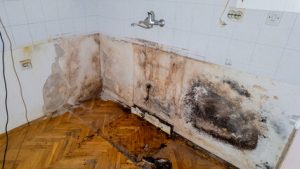
Water damage is one of the most common and costly threats to property. Whether caused by a burst pipe, severe weather, plumbing failure, or unnoticed leaks, water intrusion can compromise the structural integrity, appearance, and overall value of a property. Homeowners and property managers often underestimate how quickly water damage can escalate from a minor inconvenience to a major financial burden. Timely and professional water damage restoration is essential not only to repair immediate damage but also to protect long-term property value.

Understanding the impact of water damage on a property helps emphasize the importance of professional Water Damage Restoration Salt Lake City. Water can penetrate walls, flooring, ceilings, and insulation, leading to structural deterioration, mold growth, and long-term health hazards. Without intervention, these hidden problems can significantly decrease the market value of a home or commercial space. By investing in water damage restoration, property owners safeguard their assets, maintain aesthetics, and ensure that the property remains safe and desirable for future occupants.

water damage

The Impact of Water Damage on Property Value

Water damage affects both the visible and structural aspects of a property. When buyers, inspectors, or appraisers evaluate a property, signs of water intrusion—such as warped floors, stains on walls or ceilings, or musty odors—can raise red flags. Even minor damage, if left unaddressed, signals potential underlying issues that may require expensive repairs.

Key ways water damage reduces property value include:

  1. Structural Compromise
    Moisture can weaken wood, drywall, and other building materials. Over time, this deterioration can result in sagging floors, warped walls, and compromised foundations, significantly lowering property value.
  2. Mold Growth
    Water damage creates a conducive environment for mold, which can develop within 24 to 48 hours. Mold not only affects health but is also costly to remediate, discouraging potential buyers or tenants.
  3. Aesthetic Damage
    Stains, discoloration, and peeling paint reduce the visual appeal of a property. A poorly maintained appearance can make a home or commercial space seem neglected, directly impacting resale or rental value.
  4. Decreased Marketability
    Buyers and tenants are increasingly aware of water damage risks. Properties with a history of water issues are less attractive and may require price reductions or concessions to secure a sale.

Addressing water damage promptly and thoroughly prevents these consequences and protects property value from declining.

How Professional Restoration Protects Value

Professional water damage restoration is more than just cleanup—it’s a strategic process aimed at preserving the integrity, safety, and appearance of a property. Restoration experts employ science-based techniques, advanced equipment, and precise monitoring to ensure that both visible and hidden water damage is fully addressed.

Here are the main ways professional restoration protects property value:

  1. Preventing Structural Deterioration
    Restoration teams use controlled drying, dehumidification, and moisture monitoring to remove water from floors, walls, and ceilings. By eliminating moisture quickly, they prevent wood warping, drywall delamination, and foundation weakening, maintaining the structural integrity of the property.
  2. Mold and Microbial Control
    Proper drying and antimicrobial treatments prevent mold growth, which can damage materials, compromise air quality, and require costly remediation. By addressing potential microbial issues early, restoration professionals safeguard both the property and occupant health.
  3. Preserving Aesthetics and Interior Finishes
    Water stains, discoloration, and damaged finishes can reduce visual appeal. Restoration experts repair or replace affected materials and use cleaning techniques to restore the property’s appearance, ensuring it remains attractive to buyers or tenants.
  4. Documentation for Future Sale or Insurance Claims
    Professional restoration often includes detailed documentation of the work completed, including moisture readings and before-and-after conditions. This transparency helps maintain property value by proving that water damage was addressed correctly and comprehensively.

The Long-Term Financial Benefits

Investing in water damage restoration may seem like an immediate expense, but it provides significant financial protection in the long term.

  • Reduced Repair Costs: Early restoration prevents secondary damage, such as mold growth or structural weakening, which can be far more expensive to fix.
  • Maintained Market Value: Properties with a history of prompt and professional water damage management retain higher resale or rental values.
  • Insurance Compliance: Proper restoration and documentation can support insurance claims and help prevent disputes over coverage for water-related damage.
  • Energy Efficiency: Wet insulation or damaged materials can compromise heating and cooling efficiency. Restoration ensures materials are dry and functional, reducing utility costs.

By addressing water damage promptly and thoroughly, property owners protect both the structural and financial integrity of their investments.

Key Elements of Effective Water Damage Restoration

Water damage restoration is a multi-step process designed to ensure that no residual moisture or hidden damage is left behind. Understanding these elements highlights why professional intervention is critical for property value preservation:

  1. Assessment and Damage Evaluation
    Technicians evaluate the source, extent, and type of water damage. This step determines the restoration plan, including drying methods and potential material replacement.
  2. Water Extraction
    Standing water is removed using pumps or specialized vacuums. Efficient extraction prevents further penetration into structural materials.
  3. Drying and Dehumidification
    Advanced air movers, dehumidifiers, and moisture monitoring ensure complete drying of all affected areas, including concealed spaces like wall cavities and under flooring.
  4. Sanitization and Mold Prevention
    Antimicrobial treatments are applied to eliminate bacteria and prevent mold growth, protecting both materials and indoor air quality.
  5. Repairs and Restoration
    Damaged flooring, drywall, or insulation may be repaired or replaced. Restoration professionals also address cosmetic issues, restoring the property to its pre-damage condition.
  6. Continuous Monitoring and Quality Assurance
    Moisture levels are tracked until all areas are fully dry. This step ensures that secondary damage is avoided and that the property is safe and fully restored.

Each of these steps contributes to maintaining the structural integrity, safety, and appearance of the property, reinforcing its long-term value.

How Quick Action Impacts Property Value

The speed at which water damage is addressed plays a critical role in protecting property value. Delays can allow moisture to penetrate deeper, exacerbating damage and increasing the risk of mold growth. Rapid response is essential for:

  • Preventing Structural Damage: Quick water removal stops wood, drywall, and other materials from weakening.
  • Minimizing Health Risks: Immediate drying prevents microbial growth, reducing the risk of allergic reactions or respiratory issues.
  • Preserving Aesthetic Quality: Prompt intervention reduces the likelihood of visible stains, warping, or lingering odors.

Property owners who respond immediately to water damage demonstrate proactive maintenance, which is attractive to buyers and tenants and supports higher valuation.

Water Damage and Real Estate Considerations

Water damage history is a significant factor in real estate transactions. Properties with documented water damage issues often undergo increased scrutiny by inspectors and potential buyers. Even minor damage can lead to price reductions or extended listing periods.

Proper restoration and documentation address these concerns by:

  1. Providing Proof of Remediation: Detailed reports show that water damage was treated thoroughly, preventing future issues.
  2. Increasing Buyer Confidence: Knowing that the property is free of hidden moisture or mold enhances trust and perceived value.
  3. Supporting Insurance and Legal Protection: Well-documented restoration may be essential for insurance claims or to demonstrate compliance with property maintenance standards.

Effective water damage restoration protects not only the physical property but also its market reputation and financial valuation.

Preventive Measures for Protecting Property Value

While restoration is essential after damage occurs, proactive prevention can further protect property value:

  • Routine Plumbing Inspections: Regular checks reduce the risk of leaks and pipe failures.
  • Roof and Gutter Maintenance: Proper drainage prevents water intrusion from rainfall or snow.
  • Basement and Foundation Waterproofing: Sealing vulnerable areas reduces the likelihood of flooding or seepage.
  • Moisture Monitoring Systems: Sensors alert property owners to leaks before they escalate.

Combining prevention with professional restoration when incidents occur creates a comprehensive strategy for long-term property protection.

Preserving Investment Through Restoration

Water damage can have a lasting impact on property value if not addressed effectively. Beyond the immediate inconvenience and cleanup, hidden moisture, mold growth, and structural deterioration can dramatically reduce a property’s marketability and financial worth. Professional water damage restoration is a critical investment in preserving both the physical integrity and the value of a home or commercial space.

Through controlled water removal, targeted drying, dehumidification, and preventive treatments, restoration experts ensure that properties are safe, functional, and visually appealing. Rapid response, combined with skilled techniques and advanced equipment, minimizes secondary damage and safeguards the long-term financial value of the property.

Investing in water damage restoration is not just about repair—it’s about protecting one of your most significant investments. Homeowners and property managers who prioritize professional restoration and preventive measures maintain the integrity, safety, and desirability of their property, securing both its market value and their peace of mind.