Water Damage Restoration

What Is Mold Testing?

Mold Testing Salt Lake City is a process that uses surface and air samples to determine the number of mold spores in a house. It can be conducted with swabbing, tape lifting and swipe methods.

Most tests can find mold spores, but cannot identify the species of mold spores. This is why culture tests are also important.

What is a Mold Inspection?
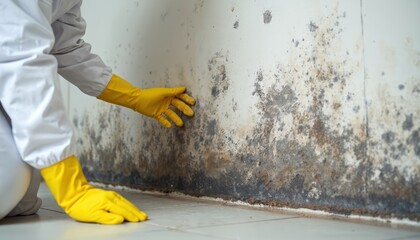
Mold Testing

A mold inspection is an examination of a home or building by a qualified professional to determine the presence and extent of any mold issues. The inspector may use a variety of tools and techniques to look for signs of mold growth, including moisture testing and thermal imaging. The inspection is often accompanied by a sample collection and laboratory analysis of the samples. Once the results are available, the inspector will provide a report and recommendations.

There is no set amount of mold that is considered safe or harmful, so the inspector will also look for other possible signs of a problem, such as musty odors and stains on walls or ceilings. They will also inspect the roof and exterior of the building to identify any potential causes of mold growth.

Before the inspection, it is a good idea to turn off any fans or air conditioning units in the area that will be inspected for mold. This will help to limit the spread of mold spores and ensure that the sample collected is as accurate as possible. It is also a good idea to close off any areas of the house that are being inspected, if they can be safely done so. This will prevent spores from spreading to other areas of the house, and it will allow the inspector to focus their attention on the contaminated area.

Mold testing is a very useful tool for finding problems, but it is not a substitute for a thorough visual inspection. A thorough inspection can locate the sources of mold growth, and it will also be able to determine if there has been cross contamination caused by the movement of mold spores from one area of the house to another.

In some cases, the inspector may choose to collect air or surface samples from the property. These samples will be sent to a lab for assessment, and the results will determine whether the material is moldy or not. The lab will also provide information about the types of mold and their concentrations. If the samples show that there is a serious problem, the inspector will usually recommend mold remediation to fix the issue.

What is a Mold Test?

Mold tests can be helpful, but they are not a substitute for a thorough visual inspection. A professional inspector will evaluate the situation and recommend the most appropriate method for testing and sampling.

It is important to note that it is not possible to determine the exact levels of toxic mold that may be present in a home. Toxic molds can be found in a variety of colors and textures, making it difficult for even an experienced inspector to identify them by sight alone. This is particularly true when the mold is growing behind drywall or in other inaccessible areas of the structure. A bulk sample test is often recommended in these cases to allow an expert laboratory to identify the specific species of mold and to determine spore count.

A tape swab test is another option for sampling visible mold. This is a more accurate way to identify the type of mold that may be present, but it does not provide spore count information, which is essential in determining whether the mold levels are high enough to warrant remediation. A swab is made with a cotton material and wiped over the surface that needs to be tested. The swab is then placed into a sleeve and sent to a lab for analysis.

There are also a number of do-it-yourself testing kits available that can be purchased at most hardware stores. These kits typically consist of petrie dishes that are placed in the area where you suspect the presence of harmful mold spores. These kits can be statistically inaccurate and often produce a large number of false positives.

Experienced home inspectors generally avoid using a mold testing kit as the first response to a mold problem and instead recommend a careful visual inspection followed by any needed testing. The occupants of a home should also be encouraged to be vigilant for signs of a mold problem, such as musty odors and discoloration on walls or ceilings.

For situations in which a visual inspection cannot be performed, a specialist can use thermal imaging or a specialized camera called a borescope to see inside plumbing pipes and structural components for indications of moisture intrusion. It is also possible to use a specialized testing device called a rotameter for an accurate measurement of air flow in a space.

What is a Mold Removal Procedure?

The most important step in any mold remediation project is determining how to proceed. A positive mold test result means that some types of mold spores are present in the air at levels that can negatively impact human health and cause damage to the structure of the home or workplace. A thorough visual inspection and moisture testing may be necessary to help identify the source of the problem.

Molds often grow on surfaces in homes and office buildings, but they can also spread by spores in the air. Many testing methods can find the presence of these spores in the air, in settled dust and on surface materials, but they cannot always tell which specific types of spores are found. Some tests can even miss or underestimate the number of live spores because they do not grow well on the nutrients used in the laboratory incubation process.

Most of the time, it is not very important to know exactly which types of mold are found in a sampled environment. From a health-protective standpoint, any indoor mold growth is a problem that should be corrected and it should be corrected quickly. The best approach is to isolate the affected area and limit airflow to that area as much as possible. This will help contain the spread of mold spores and allow for professional intervention.

Some symptoms of mold exposure include sneezing, coughing, eye irritation and sore throat. These symptoms are caused by the body’s natural response to inhaling mold spores and are usually relieved when the person is no longer in the contaminated area. This is a good indication that the symptoms are caused by mold spores and that the presence of some type of mold is the most likely culprit.

After the mold removal and cleanup is complete, the building should be revisited to make sure that all visible signs of mold have disappeared. A visual inspection should show no visible mold, and no musty odors should be present. The underlying water or moisture issue that caused the mold should be addressed immediately so that mold growth and exposure do not recur.

How Much Does Mold Testing Cost?

The cost of mold testing can vary based on the type and extent of mold growth. A basic mold inspection includes a visual assessment and a surface test to identify the types of mold present. Additional tests to measure air quality and to determine the level of contamination can increase the cost. The presence of toxic molds such as Stachybotrys (black mold) require more extensive inspection and testing, which also increases costs.

A complex mixture of mold particles normally exists in all occupied indoor environments. Molds are present in air, in dust, on surfaces, and in the materials of building structures and furnishings. Molds may cause allergy symptoms in humans, and some can produce mycotoxins that are potentially hazardous to health.

Most professional mold inspections begin with a visual examination of the property, including identifying areas of suspected mold and checking for the presence of odors. These initial steps can often eliminate the need for specialized mold tests. However, if the situation is urgent, or evidence of mold growth is not visible, a swab sample or air test may be needed to identify specific types of mold.

Surface test results are snapshot estimates of the types of mold present at a particular time and place. They do not necessarily indicate if or how much of the sampled molds are living and growing, or how many other types are present in the same area at that time. Surface tests can also miss some types of mold, such as fungi that are not able to grow on the testing media used in the analysis.

Air quality test results are more reliable and can indicate whether or not the occupants are being exposed to dangerously high levels of mold spores. These tests can also determine the types of spores in the air and how far they are traveling through the house, as well as their concentration.

While there are some cases where specialized testing is required, skilled inspectors generally recommend against the use of testing to diagnose or solve a mold problem. The best approach is a careful visual inspection, followed by remediation.
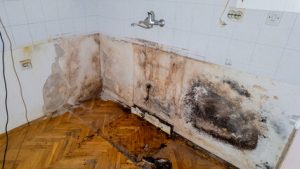
Water Damage Restoration

How Water Damage Restoration Protects Your Property Value

Water damage is one of the most common and costly threats to property. Whether caused by a burst pipe, severe weather, plumbing failure, or unnoticed leaks, water intrusion can compromise the structural integrity, appearance, and overall value of a property. Homeowners and property managers often underestimate how quickly water damage can escalate from a minor inconvenience to a major financial burden. Timely and professional water damage restoration is essential not only to repair immediate damage but also to protect long-term property value.

Understanding the impact of water damage on a property helps emphasize the importance of professional Water Damage Restoration Salt Lake City. Water can penetrate walls, flooring, ceilings, and insulation, leading to structural deterioration, mold growth, and long-term health hazards. Without intervention, these hidden problems can significantly decrease the market value of a home or commercial space. By investing in water damage restoration, property owners safeguard their assets, maintain aesthetics, and ensure that the property remains safe and desirable for future occupants.

water damage

The Impact of Water Damage on Property Value

Water damage affects both the visible and structural aspects of a property. When buyers, inspectors, or appraisers evaluate a property, signs of water intrusion—such as warped floors, stains on walls or ceilings, or musty odors—can raise red flags. Even minor damage, if left unaddressed, signals potential underlying issues that may require expensive repairs.

Key ways water damage reduces property value include:

  1. Structural Compromise
    Moisture can weaken wood, drywall, and other building materials. Over time, this deterioration can result in sagging floors, warped walls, and compromised foundations, significantly lowering property value.
  2. Mold Growth
    Water damage creates a conducive environment for mold, which can develop within 24 to 48 hours. Mold not only affects health but is also costly to remediate, discouraging potential buyers or tenants.
  3. Aesthetic Damage
    Stains, discoloration, and peeling paint reduce the visual appeal of a property. A poorly maintained appearance can make a home or commercial space seem neglected, directly impacting resale or rental value.
  4. Decreased Marketability
    Buyers and tenants are increasingly aware of water damage risks. Properties with a history of water issues are less attractive and may require price reductions or concessions to secure a sale.

Addressing water damage promptly and thoroughly prevents these consequences and protects property value from declining.

How Professional Restoration Protects Value

Professional water damage restoration is more than just cleanup—it’s a strategic process aimed at preserving the integrity, safety, and appearance of a property. Restoration experts employ science-based techniques, advanced equipment, and precise monitoring to ensure that both visible and hidden water damage is fully addressed.

Here are the main ways professional restoration protects property value:

  1. Preventing Structural Deterioration
    Restoration teams use controlled drying, dehumidification, and moisture monitoring to remove water from floors, walls, and ceilings. By eliminating moisture quickly, they prevent wood warping, drywall delamination, and foundation weakening, maintaining the structural integrity of the property.
  2. Mold and Microbial Control
    Proper drying and antimicrobial treatments prevent mold growth, which can damage materials, compromise air quality, and require costly remediation. By addressing potential microbial issues early, restoration professionals safeguard both the property and occupant health.
  3. Preserving Aesthetics and Interior Finishes
    Water stains, discoloration, and damaged finishes can reduce visual appeal. Restoration experts repair or replace affected materials and use cleaning techniques to restore the property’s appearance, ensuring it remains attractive to buyers or tenants.
  4. Documentation for Future Sale or Insurance Claims
    Professional restoration often includes detailed documentation of the work completed, including moisture readings and before-and-after conditions. This transparency helps maintain property value by proving that water damage was addressed correctly and comprehensively.

The Long-Term Financial Benefits

Investing in water damage restoration may seem like an immediate expense, but it provides significant financial protection in the long term.

  • Reduced Repair Costs: Early restoration prevents secondary damage, such as mold growth or structural weakening, which can be far more expensive to fix.
  • Maintained Market Value: Properties with a history of prompt and professional water damage management retain higher resale or rental values.
  • Insurance Compliance: Proper restoration and documentation can support insurance claims and help prevent disputes over coverage for water-related damage.
  • Energy Efficiency: Wet insulation or damaged materials can compromise heating and cooling efficiency. Restoration ensures materials are dry and functional, reducing utility costs.

By addressing water damage promptly and thoroughly, property owners protect both the structural and financial integrity of their investments.

Key Elements of Effective Water Damage Restoration

Water damage restoration is a multi-step process designed to ensure that no residual moisture or hidden damage is left behind. Understanding these elements highlights why professional intervention is critical for property value preservation:

  1. Assessment and Damage Evaluation
    Technicians evaluate the source, extent, and type of water damage. This step determines the restoration plan, including drying methods and potential material replacement.
  2. Water Extraction
    Standing water is removed using pumps or specialized vacuums. Efficient extraction prevents further penetration into structural materials.
  3. Drying and Dehumidification
    Advanced air movers, dehumidifiers, and moisture monitoring ensure complete drying of all affected areas, including concealed spaces like wall cavities and under flooring.
  4. Sanitization and Mold Prevention
    Antimicrobial treatments are applied to eliminate bacteria and prevent mold growth, protecting both materials and indoor air quality.
  5. Repairs and Restoration
    Damaged flooring, drywall, or insulation may be repaired or replaced. Restoration professionals also address cosmetic issues, restoring the property to its pre-damage condition.
  6. Continuous Monitoring and Quality Assurance
    Moisture levels are tracked until all areas are fully dry. This step ensures that secondary damage is avoided and that the property is safe and fully restored.

Each of these steps contributes to maintaining the structural integrity, safety, and appearance of the property, reinforcing its long-term value.

How Quick Action Impacts Property Value

The speed at which water damage is addressed plays a critical role in protecting property value. Delays can allow moisture to penetrate deeper, exacerbating damage and increasing the risk of mold growth. Rapid response is essential for:

  • Preventing Structural Damage: Quick water removal stops wood, drywall, and other materials from weakening.
  • Minimizing Health Risks: Immediate drying prevents microbial growth, reducing the risk of allergic reactions or respiratory issues.
  • Preserving Aesthetic Quality: Prompt intervention reduces the likelihood of visible stains, warping, or lingering odors.

Property owners who respond immediately to water damage demonstrate proactive maintenance, which is attractive to buyers and tenants and supports higher valuation.

Water Damage and Real Estate Considerations

Water damage history is a significant factor in real estate transactions. Properties with documented water damage issues often undergo increased scrutiny by inspectors and potential buyers. Even minor damage can lead to price reductions or extended listing periods.

Proper restoration and documentation address these concerns by:

  1. Providing Proof of Remediation: Detailed reports show that water damage was treated thoroughly, preventing future issues.
  2. Increasing Buyer Confidence: Knowing that the property is free of hidden moisture or mold enhances trust and perceived value.
  3. Supporting Insurance and Legal Protection: Well-documented restoration may be essential for insurance claims or to demonstrate compliance with property maintenance standards.

Effective water damage restoration protects not only the physical property but also its market reputation and financial valuation.

Preventive Measures for Protecting Property Value

While restoration is essential after damage occurs, proactive prevention can further protect property value:

  • Routine Plumbing Inspections: Regular checks reduce the risk of leaks and pipe failures.
  • Roof and Gutter Maintenance: Proper drainage prevents water intrusion from rainfall or snow.
  • Basement and Foundation Waterproofing: Sealing vulnerable areas reduces the likelihood of flooding or seepage.
  • Moisture Monitoring Systems: Sensors alert property owners to leaks before they escalate.

Combining prevention with professional restoration when incidents occur creates a comprehensive strategy for long-term property protection.

Preserving Investment Through Restoration

Water damage can have a lasting impact on property value if not addressed effectively. Beyond the immediate inconvenience and cleanup, hidden moisture, mold growth, and structural deterioration can dramatically reduce a property’s marketability and financial worth. Professional water damage restoration is a critical investment in preserving both the physical integrity and the value of a home or commercial space.

Through controlled water removal, targeted drying, dehumidification, and preventive treatments, restoration experts ensure that properties are safe, functional, and visually appealing. Rapid response, combined with skilled techniques and advanced equipment, minimizes secondary damage and safeguards the long-term financial value of the property.

Investing in water damage restoration is not just about repair—it’s about protecting one of your most significant investments. Homeowners and property managers who prioritize professional restoration and preventive measures maintain the integrity, safety, and desirability of their property, securing both its market value and their peace of mind.