Mold Testing Salt Lake City is a process that uses surface and air samples to determine the number of mold spores in a house. It can be conducted with swabbing, tape lifting and swipe methods.
Most tests can find mold spores, but cannot identify the species of mold spores. This is why culture tests are also important.
What is a Mold Inspection?
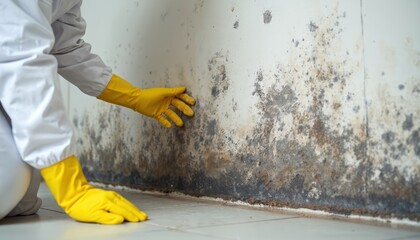
A mold inspection is an examination of a home or building by a qualified professional to determine the presence and extent of any mold issues. The inspector may use a variety of tools and techniques to look for signs of mold growth, including moisture testing and thermal imaging. The inspection is often accompanied by a sample collection and laboratory analysis of the samples. Once the results are available, the inspector will provide a report and recommendations.
There is no set amount of mold that is considered safe or harmful, so the inspector will also look for other possible signs of a problem, such as musty odors and stains on walls or ceilings. They will also inspect the roof and exterior of the building to identify any potential causes of mold growth.
Before the inspection, it is a good idea to turn off any fans or air conditioning units in the area that will be inspected for mold. This will help to limit the spread of mold spores and ensure that the sample collected is as accurate as possible. It is also a good idea to close off any areas of the house that are being inspected, if they can be safely done so. This will prevent spores from spreading to other areas of the house, and it will allow the inspector to focus their attention on the contaminated area.
Mold testing is a very useful tool for finding problems, but it is not a substitute for a thorough visual inspection. A thorough inspection can locate the sources of mold growth, and it will also be able to determine if there has been cross contamination caused by the movement of mold spores from one area of the house to another.
In some cases, the inspector may choose to collect air or surface samples from the property. These samples will be sent to a lab for assessment, and the results will determine whether the material is moldy or not. The lab will also provide information about the types of mold and their concentrations. If the samples show that there is a serious problem, the inspector will usually recommend mold remediation to fix the issue.
What is a Mold Test?
Mold tests can be helpful, but they are not a substitute for a thorough visual inspection. A professional inspector will evaluate the situation and recommend the most appropriate method for testing and sampling.
It is important to note that it is not possible to determine the exact levels of toxic mold that may be present in a home. Toxic molds can be found in a variety of colors and textures, making it difficult for even an experienced inspector to identify them by sight alone. This is particularly true when the mold is growing behind drywall or in other inaccessible areas of the structure. A bulk sample test is often recommended in these cases to allow an expert laboratory to identify the specific species of mold and to determine spore count.
A tape swab test is another option for sampling visible mold. This is a more accurate way to identify the type of mold that may be present, but it does not provide spore count information, which is essential in determining whether the mold levels are high enough to warrant remediation. A swab is made with a cotton material and wiped over the surface that needs to be tested. The swab is then placed into a sleeve and sent to a lab for analysis.
There are also a number of do-it-yourself testing kits available that can be purchased at most hardware stores. These kits typically consist of petrie dishes that are placed in the area where you suspect the presence of harmful mold spores. These kits can be statistically inaccurate and often produce a large number of false positives.
Experienced home inspectors generally avoid using a mold testing kit as the first response to a mold problem and instead recommend a careful visual inspection followed by any needed testing. The occupants of a home should also be encouraged to be vigilant for signs of a mold problem, such as musty odors and discoloration on walls or ceilings.
For situations in which a visual inspection cannot be performed, a specialist can use thermal imaging or a specialized camera called a borescope to see inside plumbing pipes and structural components for indications of moisture intrusion. It is also possible to use a specialized testing device called a rotameter for an accurate measurement of air flow in a space.
What is a Mold Removal Procedure?
The most important step in any mold remediation project is determining how to proceed. A positive mold test result means that some types of mold spores are present in the air at levels that can negatively impact human health and cause damage to the structure of the home or workplace. A thorough visual inspection and moisture testing may be necessary to help identify the source of the problem.
Molds often grow on surfaces in homes and office buildings, but they can also spread by spores in the air. Many testing methods can find the presence of these spores in the air, in settled dust and on surface materials, but they cannot always tell which specific types of spores are found. Some tests can even miss or underestimate the number of live spores because they do not grow well on the nutrients used in the laboratory incubation process.
Most of the time, it is not very important to know exactly which types of mold are found in a sampled environment. From a health-protective standpoint, any indoor mold growth is a problem that should be corrected and it should be corrected quickly. The best approach is to isolate the affected area and limit airflow to that area as much as possible. This will help contain the spread of mold spores and allow for professional intervention.
Some symptoms of mold exposure include sneezing, coughing, eye irritation and sore throat. These symptoms are caused by the body’s natural response to inhaling mold spores and are usually relieved when the person is no longer in the contaminated area. This is a good indication that the symptoms are caused by mold spores and that the presence of some type of mold is the most likely culprit.
After the mold removal and cleanup is complete, the building should be revisited to make sure that all visible signs of mold have disappeared. A visual inspection should show no visible mold, and no musty odors should be present. The underlying water or moisture issue that caused the mold should be addressed immediately so that mold growth and exposure do not recur.
How Much Does Mold Testing Cost?
The cost of mold testing can vary based on the type and extent of mold growth. A basic mold inspection includes a visual assessment and a surface test to identify the types of mold present. Additional tests to measure air quality and to determine the level of contamination can increase the cost. The presence of toxic molds such as Stachybotrys (black mold) require more extensive inspection and testing, which also increases costs.
A complex mixture of mold particles normally exists in all occupied indoor environments. Molds are present in air, in dust, on surfaces, and in the materials of building structures and furnishings. Molds may cause allergy symptoms in humans, and some can produce mycotoxins that are potentially hazardous to health.
Most professional mold inspections begin with a visual examination of the property, including identifying areas of suspected mold and checking for the presence of odors. These initial steps can often eliminate the need for specialized mold tests. However, if the situation is urgent, or evidence of mold growth is not visible, a swab sample or air test may be needed to identify specific types of mold.
Surface test results are snapshot estimates of the types of mold present at a particular time and place. They do not necessarily indicate if or how much of the sampled molds are living and growing, or how many other types are present in the same area at that time. Surface tests can also miss some types of mold, such as fungi that are not able to grow on the testing media used in the analysis.
Air quality test results are more reliable and can indicate whether or not the occupants are being exposed to dangerously high levels of mold spores. These tests can also determine the types of spores in the air and how far they are traveling through the house, as well as their concentration.
While there are some cases where specialized testing is required, skilled inspectors generally recommend against the use of testing to diagnose or solve a mold problem. The best approach is a careful visual inspection, followed by remediation.
